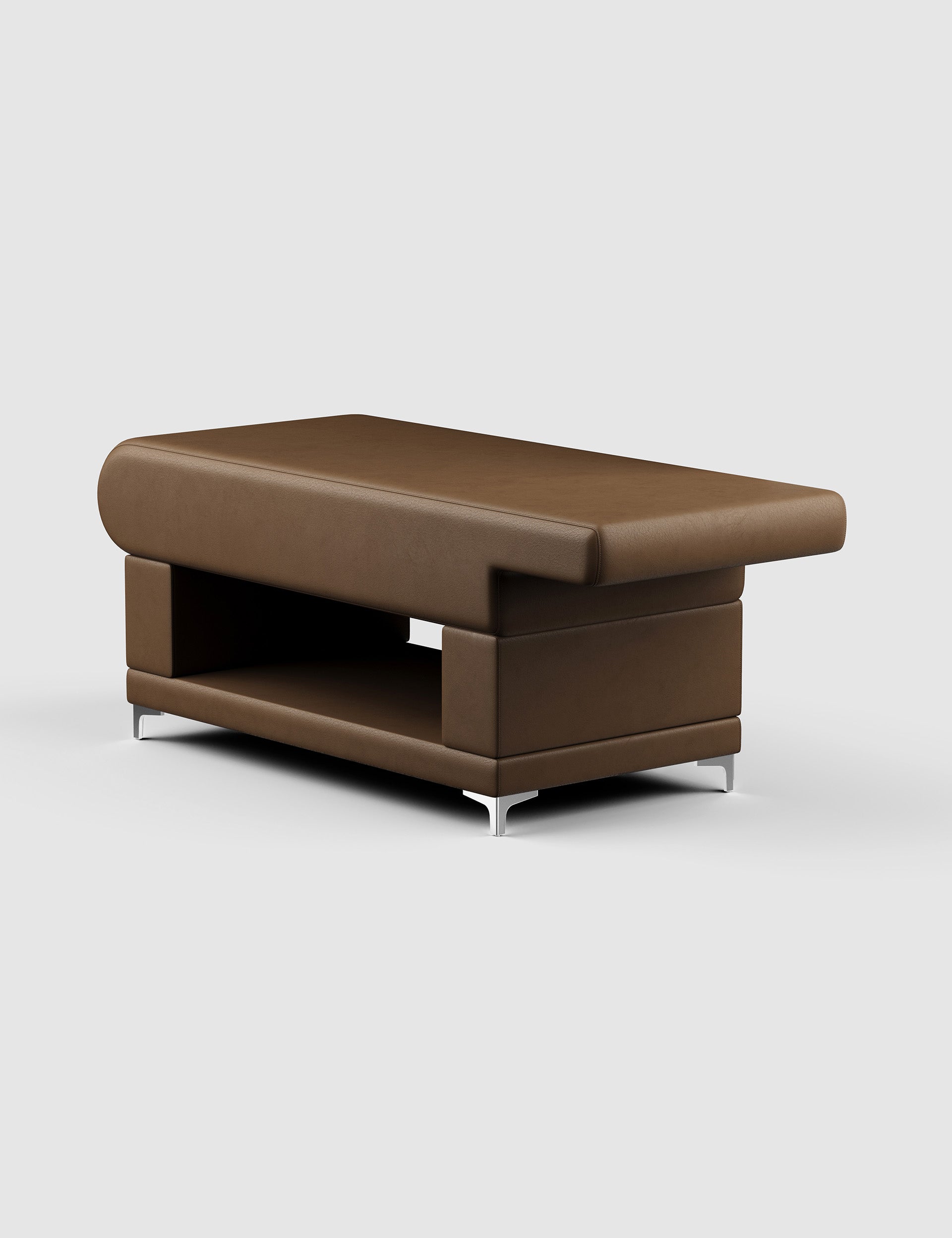
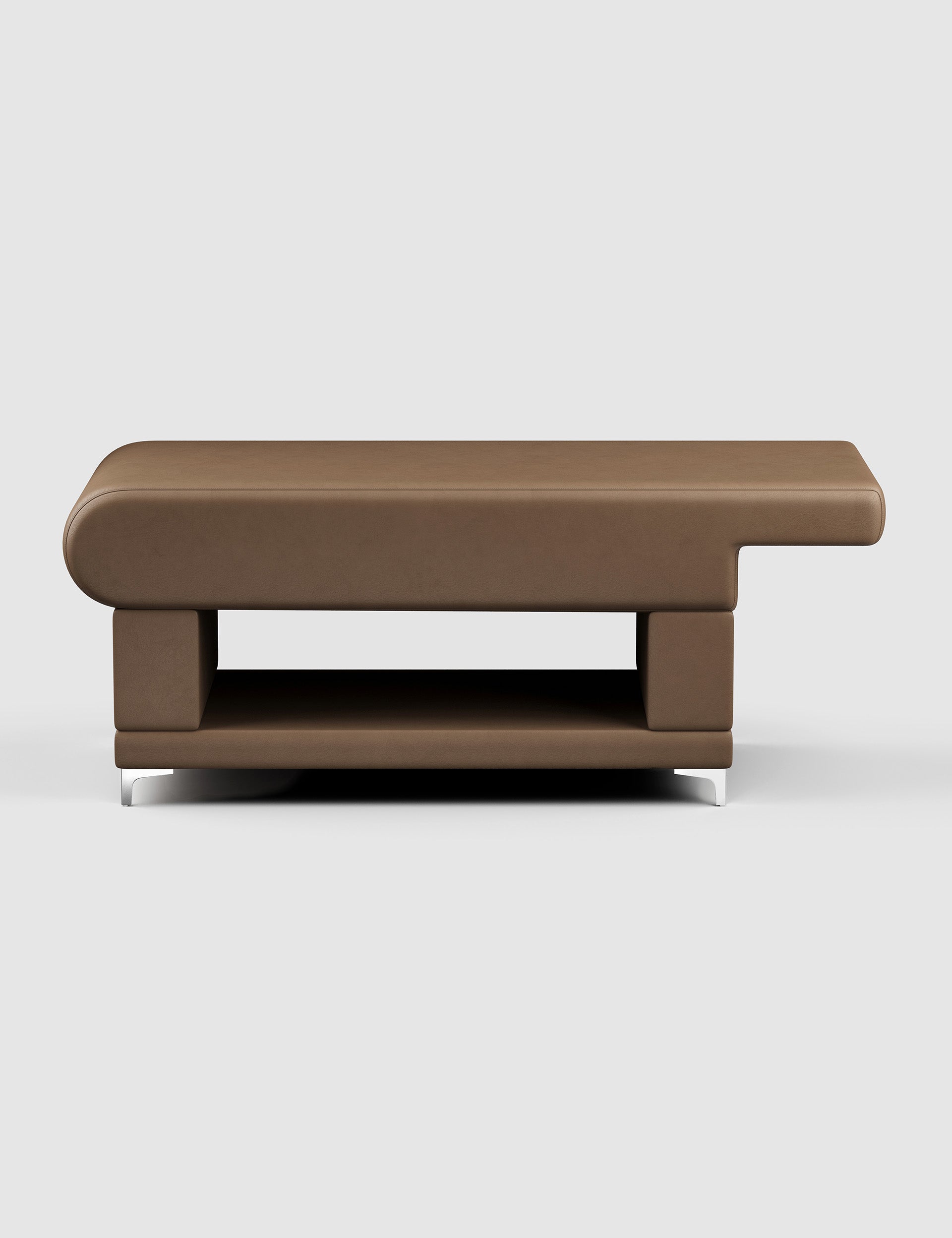
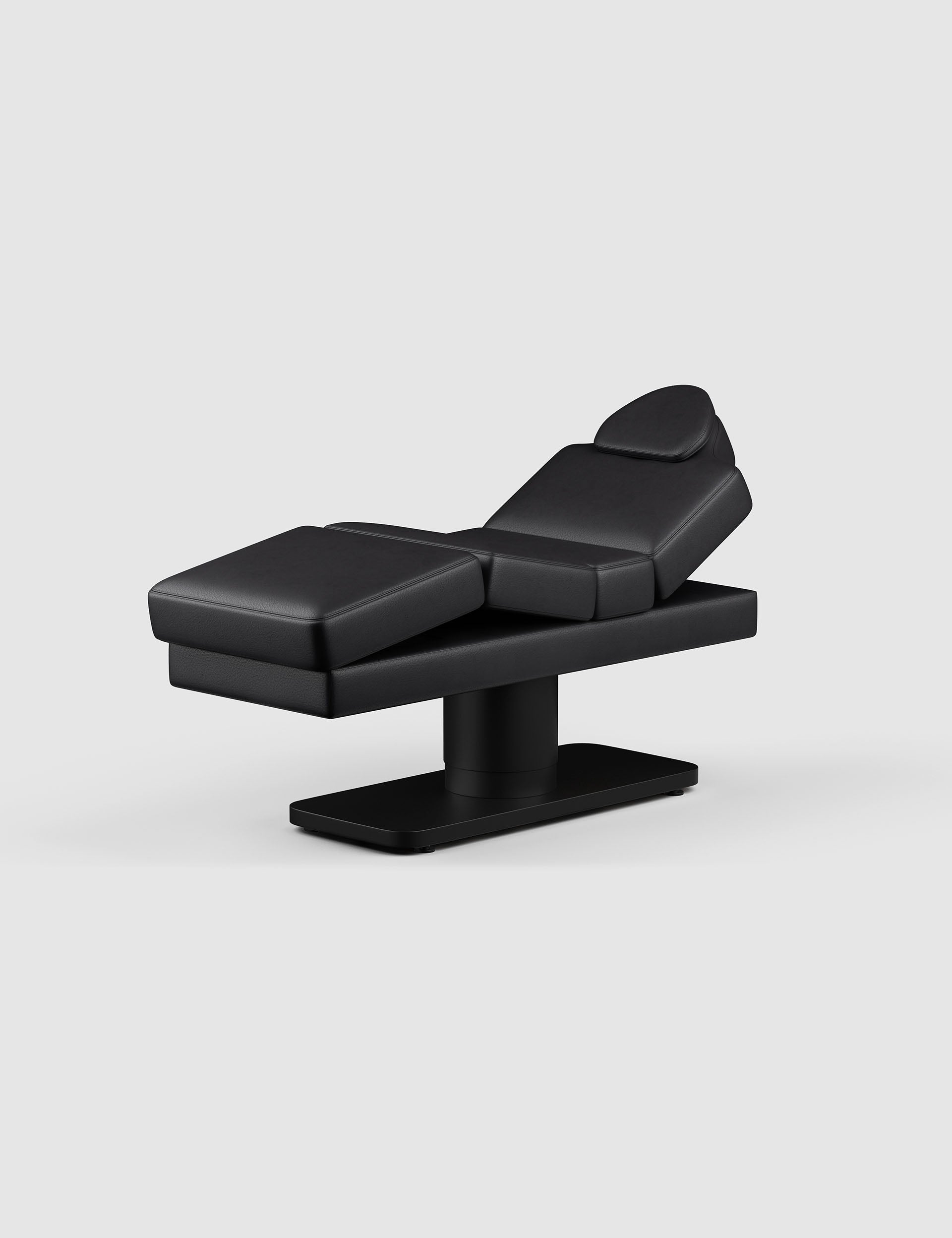
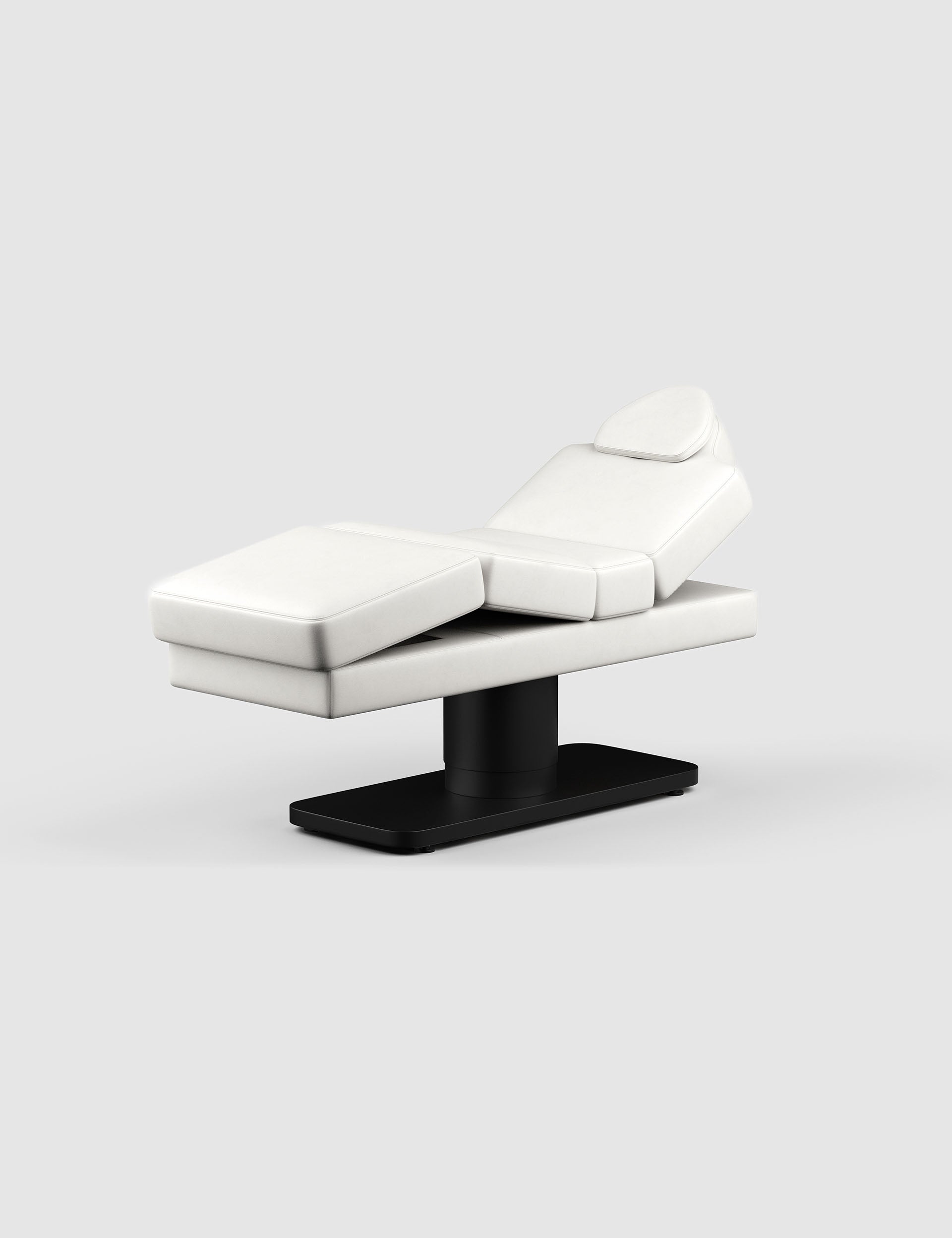
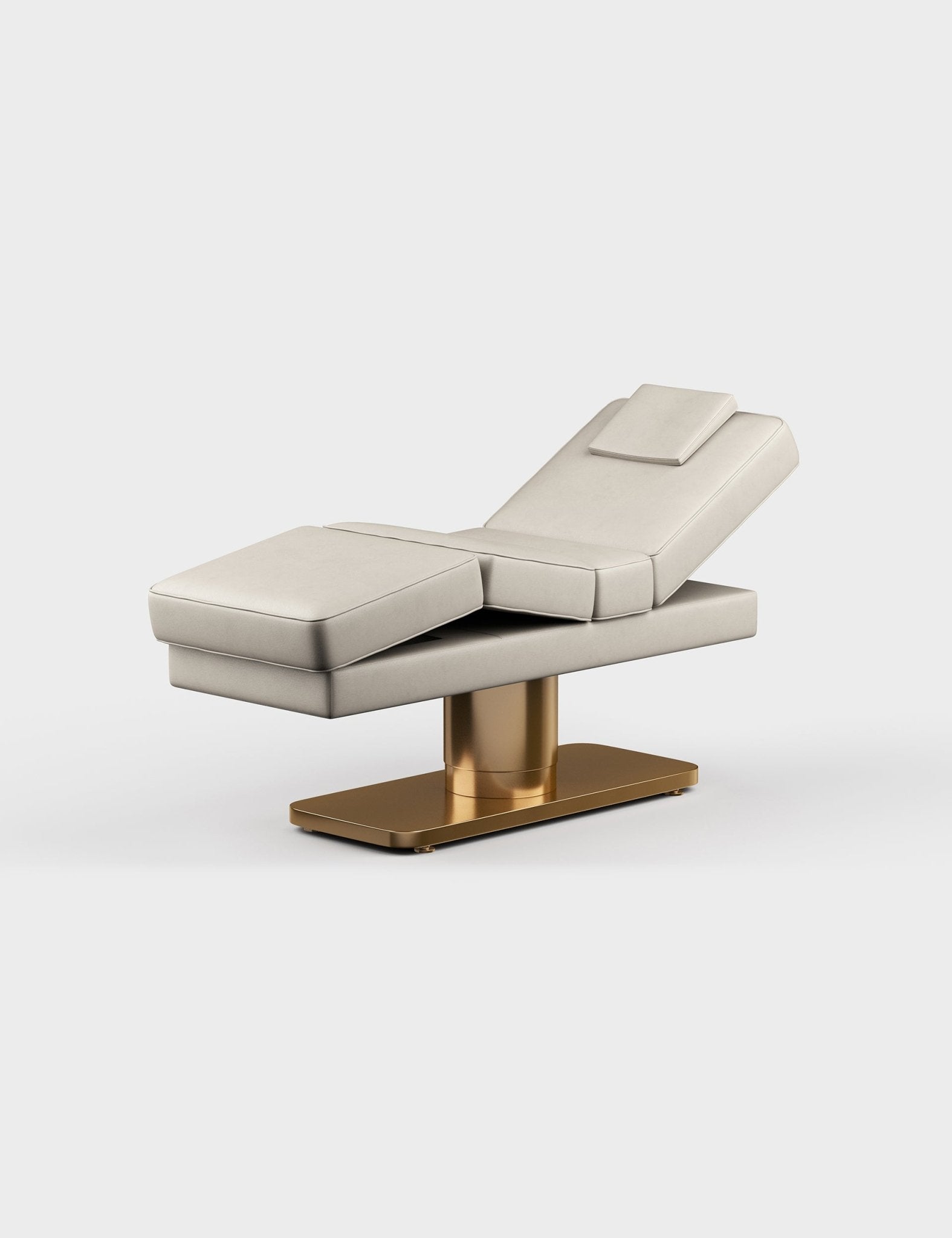
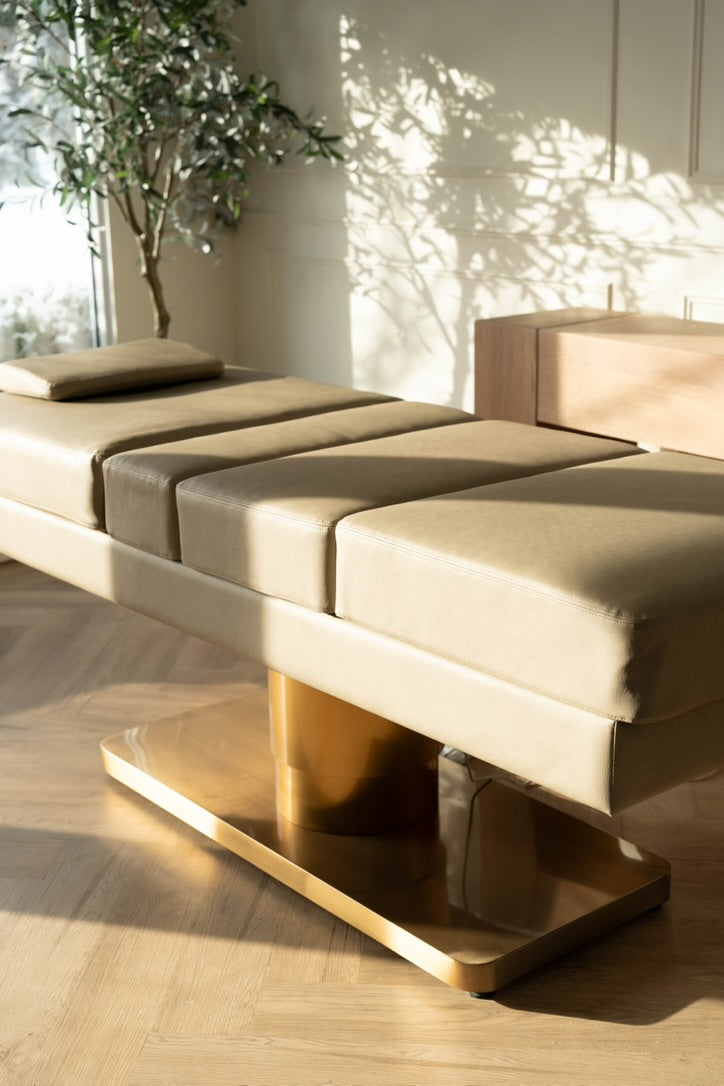
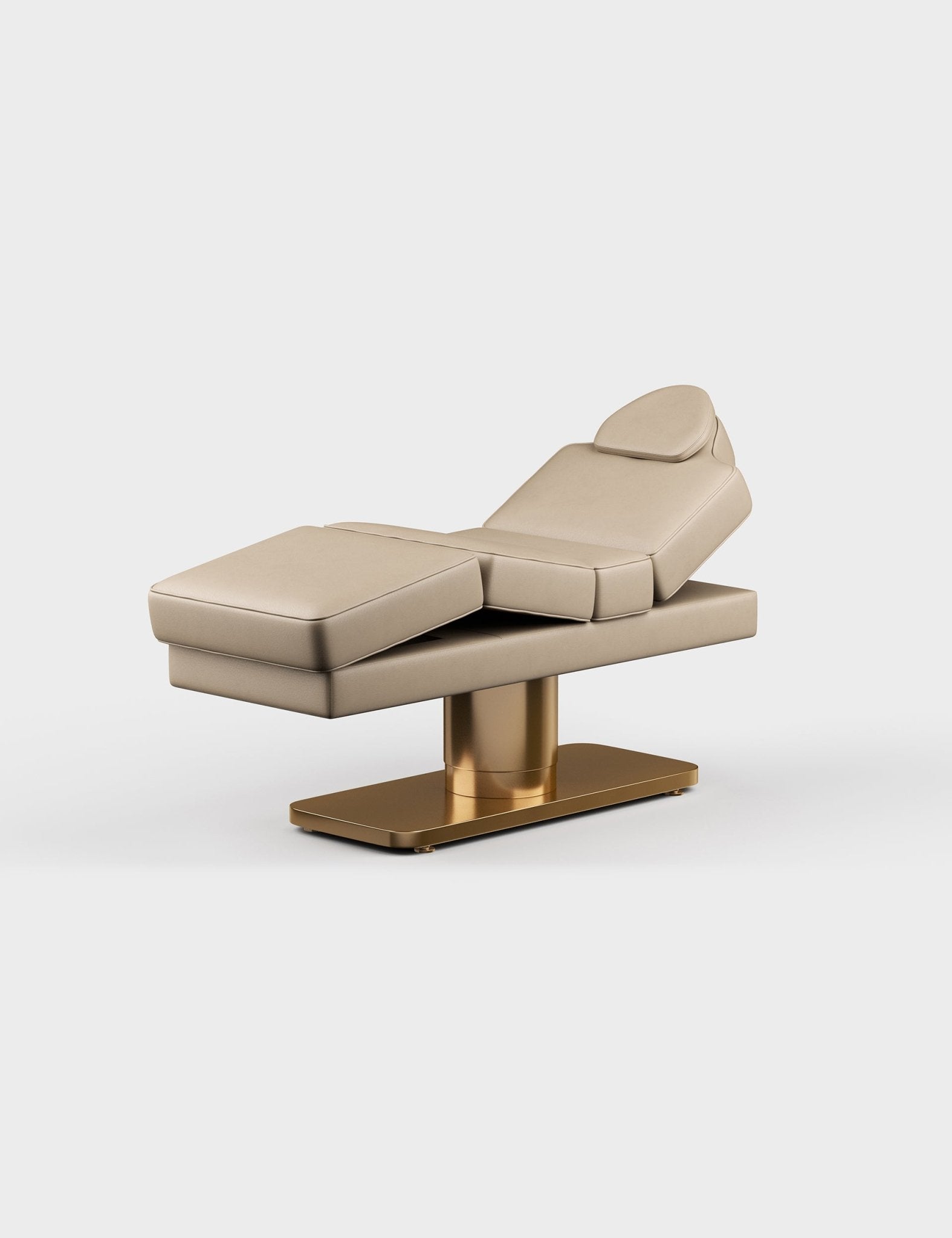
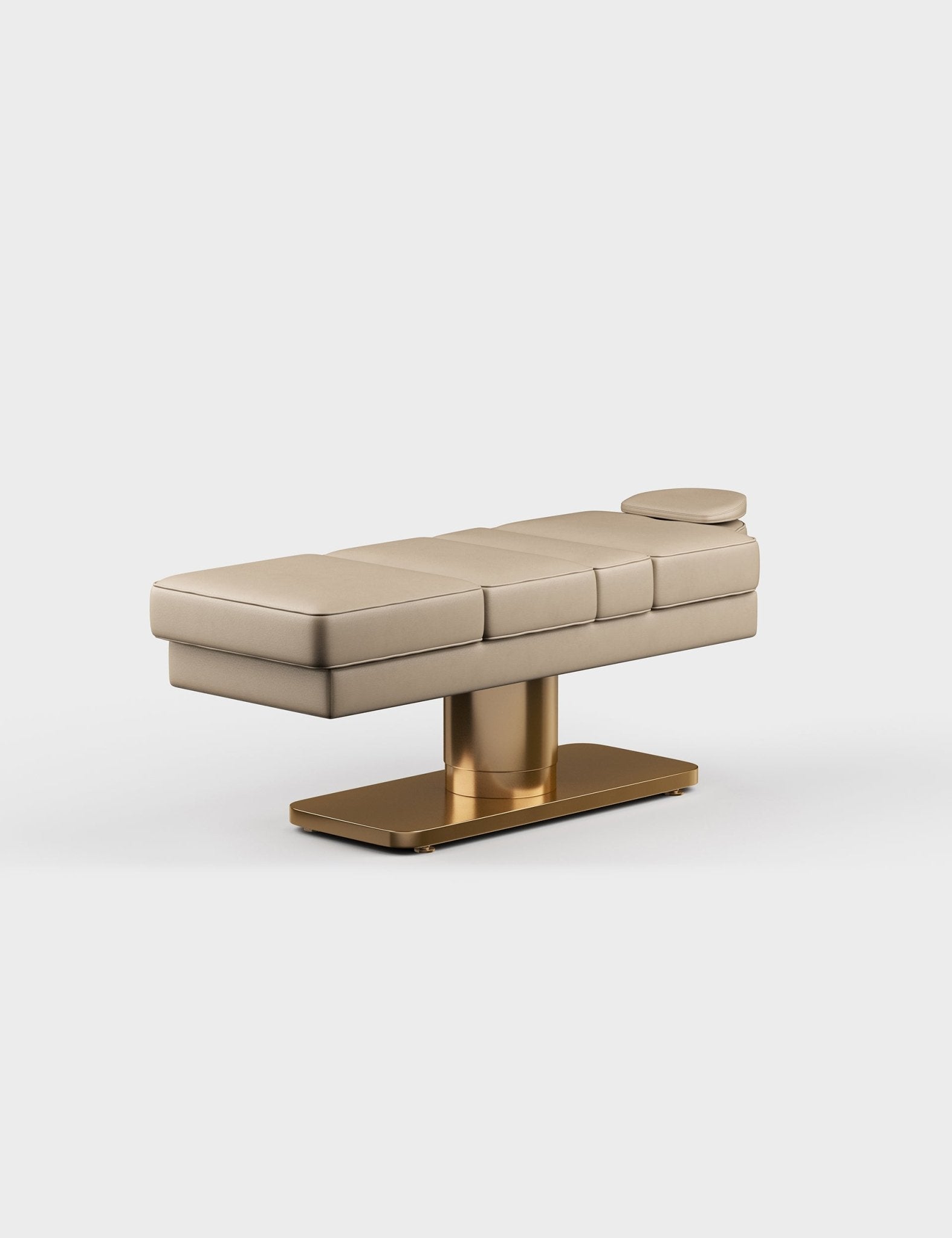
Chiropractic Table

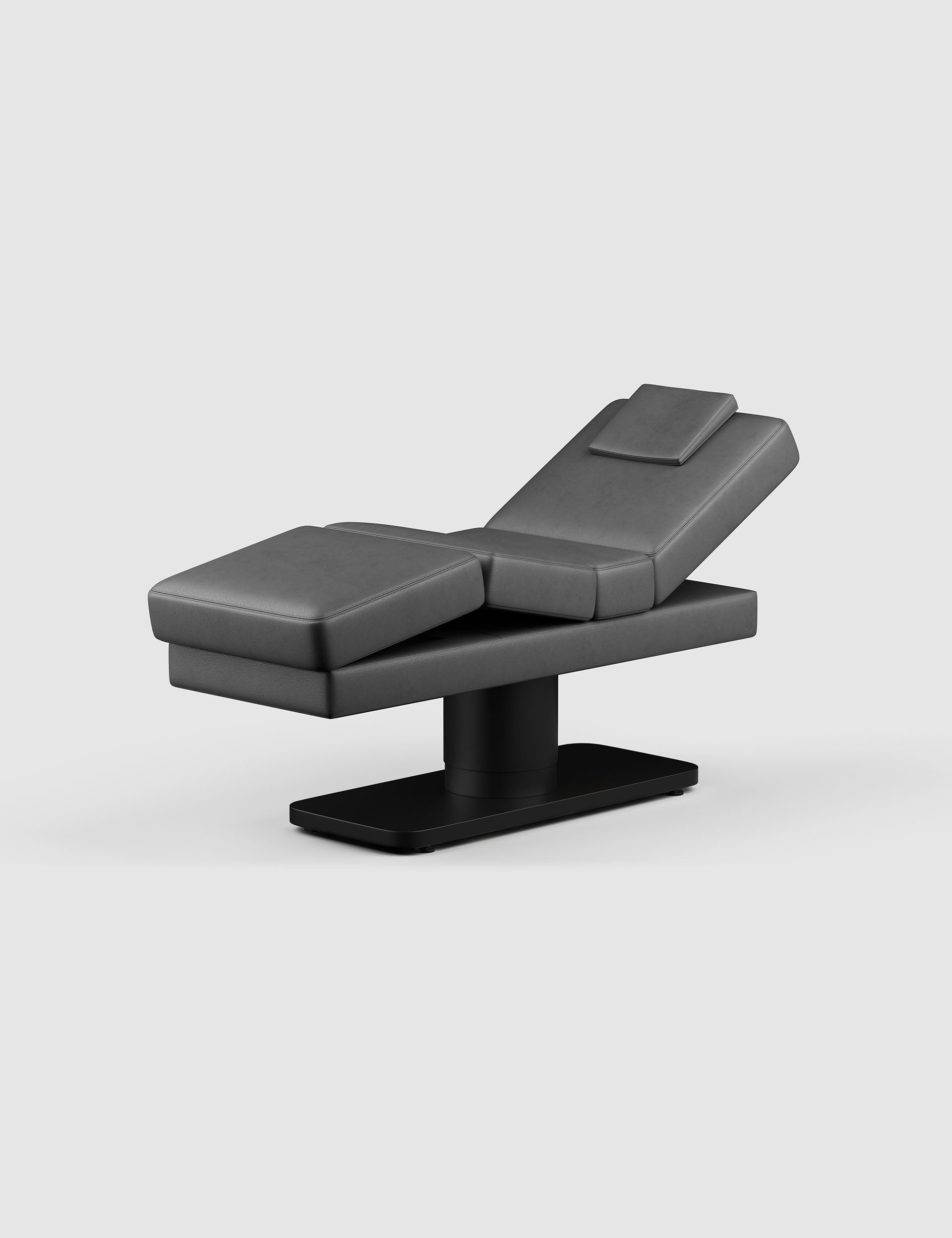
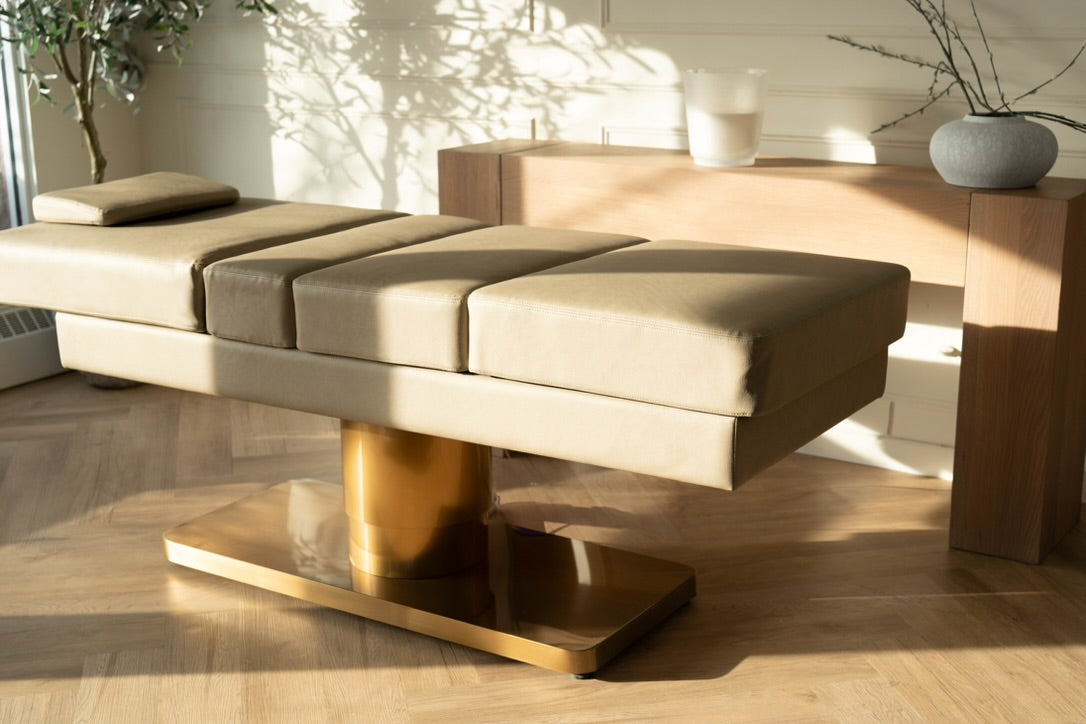
We see the chiropractic table as a symbol of alignment between design, purpose, and care. Its structure supports both practitioner and client, shaping how comfort meets precision. The right table enhances stability and flow, allowing focus to move effortlessly from posture to practice. Through thoughtful design and craftsmanship, the chiropractic table becomes more than furniture; it becomes an extension of the healer’s skill.

Read More
(Charcoal) #color_charcoal
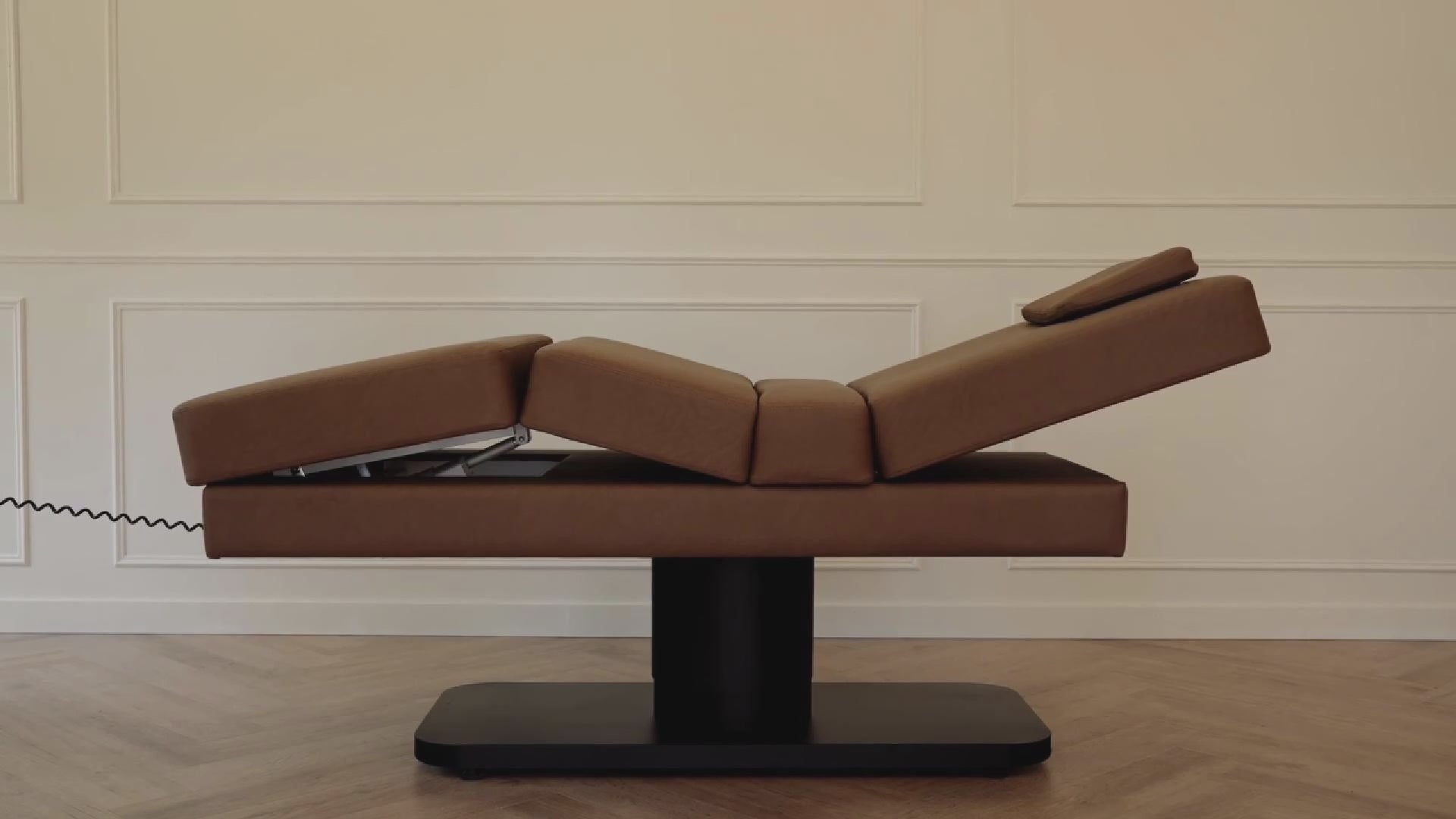
Endless positioning, no visible hardware.
(Tobacco) #color_tobacco
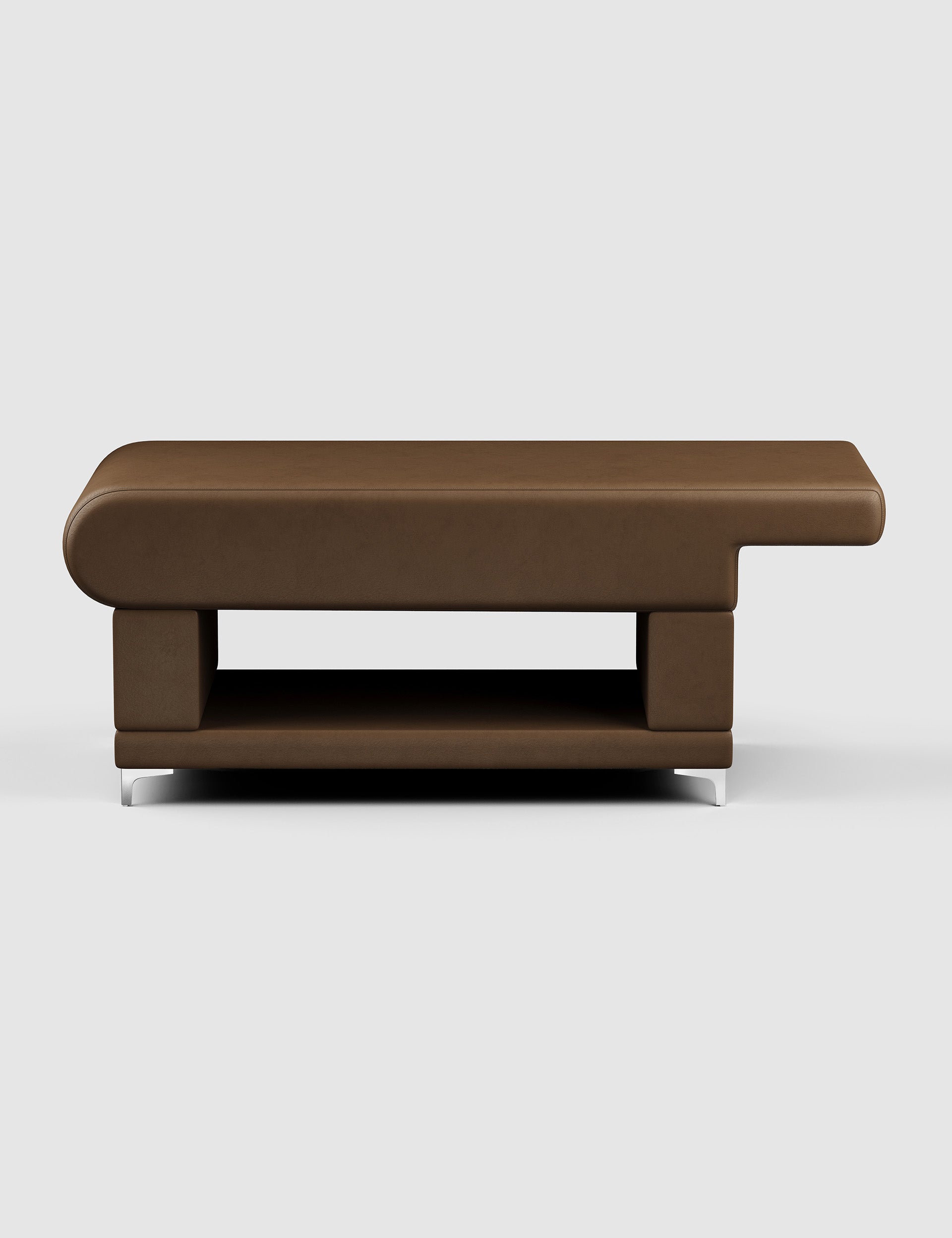
The most comfortable flat service bed in the market.
(Ink) #color_ink
A tapered headrest provides drop elbow positioning support.

FLEXIBLE FINANCING

Klarna Pay-in-4, or 60 month terms.
Call (888) 413-5955 for assistance.

Learn More
(Bone) #color_bone
Endless positioning, no visible hardware.
(Sand) #color_sand
A tapered headrest provides drop elbow positioning support.
 

Chiropractic Table

Frequently Asked Questions

What Makes A Chiropractic Table Truly Ergonomic

A truly ergonomic chiropractic table integrates structural intelligence, precise support, and user-focused comfort. It’s designed not only for the client’s ease but also for the practitioner’s posture, precision, and long-term health. The right balance of engineering, materials, and motion transforms the treatment experience into one of efficiency and well-being. For an example of refined craftsmanship and functionality, explore the chiropractic table designed to support every adjustment with precision and control.

Advanced Cushioning And Pressure Distribution

An ergonomic chiropractic table begins with its surface support. Multi-layered foam systems combined with full webbed suspension distribute weight evenly, minimizing peak pressure points. This ensures the spine remains aligned while reducing discomfort during longer sessions. Precision cushioning improves stability for the practitioner and relaxation for the client.

Adjustable Height And Seamless Positioning

Height and angle adjustability are critical for ergonomic alignment. Whether operated electrically or hydraulically, smooth adjustment mechanisms enable practitioners to fine-tune the table's height, tilt, and elevation. This flexibility helps maintain proper posture, prevents repetitive strain, and enhances precision during adjustments and manipulations.

Anatomical Contours And Supportive Shape

Contours and curves directly influence client comfort and practitioner efficiency. Sculpted shoulder zones, beveled edges, and gently sloped leg rests support natural body alignment and blood circulation. These shapes also prevent pressure buildup and allow for easy access to key treatment areas without excessive repositioning.

Durable And Hygienic Material Composition

Ergonomics extends to surface material. High-performance textiles and medical-grade upholstery should resist stains, moisture, and bacteria. Easy-to-clean, hypoallergenic finishes maintain hygiene while preserving a polished, professional look suitable for busy clinical settings.

Integrated Engineering For Practitioner Efficiency

Ergonomic excellence depends on intuitive functionality. Mechanized adjustments, reinforced frames, and quiet motors ensure smooth operation and long-term reliability. Each movement should support the practitioner’s rhythm, reducing effort and improving treatment consistency.

Key Table Types Every Chiropractor Should Know

A chiropractor's bed serves as the foundation of every successful adjustment, providing stability, alignment, and comfort. Among the various types available, elevation and flexion-distraction models stand out for their adaptability and ergonomic benefits. Each chiropractor bed in Plush + Oak’s collection combines engineering precision with luxury-grade design, ensuring both practitioners and patients experience unmatched support.

Traditional Stationary Tables

Stationary tables are the standard workhorses of chiropractic care. Built for long-term durability and stability, they provide a solid foundation for general adjustments. Their sturdy frames, thick cushioning, and straightforward design make them dependable and easy to maintain. While typically adjusted manually, these tables remain the most cost-effective and familiar option for many practices.

Drop Tables

Drop tables incorporate built-in mechanisms that allow sections of the table to “drop” slightly during adjustments. This movement reduces the amount of physical force required, enabling smoother and more controlled manipulations. Often used in conjunction with the Thompson Technique, drop tables enhance precision and patient comfort while protecting the practitioner's energy over the course of repetitive sessions.

Elevation Tables

Elevation tables rely on electric or hydraulic lift systems to adjust height effortlessly. With the push of a button or lever, chiropractors can position patients at the ideal working level. This feature enhances posture, reduces strain, and facilitates faster transitions between treatments, making it suitable for high-volume clinics or multi-practitioner environments.

Flexion-Distraction Tables

Designed for spinal decompression and disc-related therapy, flexion-distraction tables allow controlled flexion and extension of the spine. They deliver gentle, rhythmic motion that relieves pressure and supports spinal alignment. Chiropractors treating chronic pain or disc conditions depend on these tables for their ability to combine comfort with therapeutic precision.

Portable Tables

For mobile chiropractors or sports specialists, portable tables provide reliable functionality in a lightweight, foldable format. They’re compact yet stable, making them ideal for on-site treatments, athletic events, or home visits. Modern designs strike a balance between portability and ergonomic integrity, ensuring consistency and professionalism that extends beyond the clinic.

Specialty And Hybrid Models

Many modern practices now integrate hybrid models that combine features, such as drop and elevation capabilities, to expand treatment versatility. These tables cater to evolving techniques, allowing practitioners to perform multiple modalities with minimal equipment changes.

Each type of chiropractic table reflects a distinct purpose, ranging from stability to mobility. Choosing the right combination ensures practitioners maintain ergonomic efficiency while offering patients a safe, precise, and comfortable experience.

Bring comfort and precision to every service with Plush + Oak. Our Chiropractic Table is crafted to support posture, movement, and endurance through thoughtful design. Built for professionals who value form and function, it transforms everyday work into an experience of ease, balance, and lasting comfort.


Elevation, Flexion, And Distraction Explained

Elevation, flexion, and distraction mechanisms are what transform a simple surface into a fully functional chiropractic bed. Smooth electric lifts and adjustable contours enhance ergonomic alignment, minimizing strain and promoting efficient motion during every session. The chiropractic bed exemplifies this harmony of precision and performance, allowing seamless control and ultimate comfort for both practitioner and client.

Elevation For Height Control And Efficiency

Elevation refers to a table’s ability to adjust vertically, accommodating different procedures and practitioner heights. Smooth, electric lift systems are ideal because they enable quick and precise adjustments without interrupting workflow. Proper elevation alignment helps maintain posture, minimizes bending and fatigue, and ensures that each client is positioned comfortably from the start of the session.

Flexion For Targeted Positioning And Comfort

Flexion adds multidimensional movement to the table, allowing individual sections to tilt or bend. This function supports customized positioning of the head, spine, and limbs, ensuring optimal alignment during treatment. For chiropractors and beauty professionals alike, flexion enhances access to specific body zones, helping clients remain relaxed and supported throughout detailed procedures.

Distraction For Alignment And Pressure Relief

Distraction introduces gentle separation between body sections, reducing compression and improving circulation. Lengthening or segmentally shifting parts of the table, it supports decompression techniques and sustained relaxation. In wellness or esthetic applications, distraction minimizes tension during extended treatments, keeping both client and practitioner at ease.

Integrating Features For Ergonomic Precision

When elevation, flexion, and distraction work together, the table becomes a fully ergonomic system. These combined features allow practitioners to adapt instantly to treatment needs, maintain physical balance, and enhance precision in every movement. For clients, the result is a smoother, more supportive experience that aligns comfort with performance.

Recognizing the value of these three foundational features ensures that your workspace is not only efficient but also designed for long-term wellness and professional excellence.

Comparing Manual Versus Electric Lift Systems

Selecting between manual and electric systems often depends on workflow and physical demand. An electric chiropractor massage bed reduces fatigue by automating adjustments, while manual systems offer simplicity and independence. Both options offer essential ergonomic benefits, but the treatment bed provides smooth, motorized transitions, ideal for high-volume practices seeking efficiency without compromising precision.

Manual Lift Systems For Simplicity And Reliability

Manual lift systems operate through levers, cranks, or hydraulic pumps, offering mechanical reliability without reliance on electricity. Their straightforward design makes them durable and cost-effective, requiring minimal maintenance over time. For studios with limited outlets or mobile setups, manual systems provide flexibility and independence. However, they rely on physical effort for adjustments, which can disrupt treatment flow and contribute to practitioner fatigue during repetitive sessions.

Electric Lift Systems For Efficiency And Precision

Electric lift systems bring automation and ease to everyday operations. With motorized controls, practitioners can fine-tune height and positioning at the touch of a button. These systems allow for silent, smooth adjustments mid-session, ensuring seamless transitions between clients and minimizing interruptions. For busy, multi-service environments, electric systems enhance ergonomics, conserve energy, and improve posture by eliminating manual labor and reducing strain.

Ergonomic And Workflow Considerations

When comparing both systems, workflow rhythm is key. Manual models are ideal for smaller studios with limited client numbers or where simplicity and portability are top priorities. Electric systems, on the other hand, optimize efficiency in fast-paced or multi-practitioner environments, allowing precise adjustments without losing focus or pace. The right choice depends on how frequently adjustments are made and the duration of daily use.

Aesthetic And Functional Integration

Electric lift designs often feature clean, concealed mechanics that contribute to a minimalist, modern aesthetic. Manual models maintain a more traditional appearance, emphasizing mechanical functionality over design continuity. Both can complement a professional setting, but electric systems often deliver a refined visual presence that aligns with the premium interiors of spas.

Selecting between manual and electric lift systems ultimately comes down to priorities, simplicity, and independence versus automation and precision. Evaluating daily workflow, client expectations, and space design ensures that your choice aligns with both operational goals and long-term comfort.

Sizing Guidelines For Different Patient Demographics

Choosing the correct chiropractic bed size ensures safety, comfort, and accuracy across a range of patient demographics. From pediatric to athletic clients, appropriate dimensions and supportive structures protect practitioner posture while enhancing treatment results. For clinics emphasizing ergonomic inclusivity, the wellness bed offers adaptable sizing, structural balance, and long-term reliability that meet diverse therapeutic needs.

  • Table Width For Smaller Patients: For pediatric clients or individuals with a more petite frame, a narrower table between 20 and 23 inches provides secure support and easy accessibility. This width allows chiropractors to maintain proximity during adjustments without overreaching, enhancing control and comfort.
  • Table Width For Broader Frames: Working with athletes or patients with wider shoulders requires tables that range from 23 to 28 inches. The additional surface area prevents overhang, promotes balanced weight distribution, and supports larger body types without restricting practitioner movement.
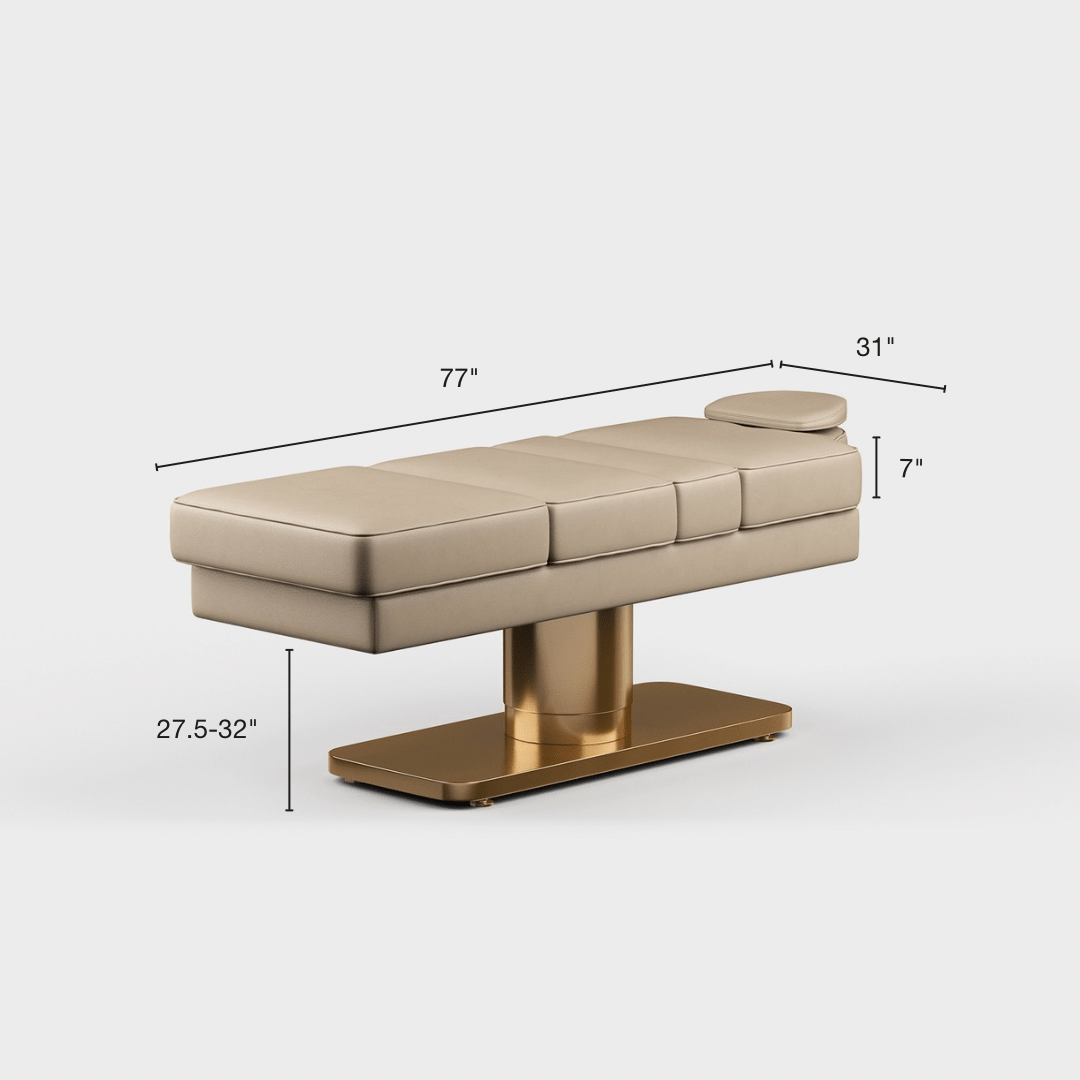
  • Optimal Table Length For Full Support: A length of 72 to 78 inches ensures that patients of all heights can rest comfortably with whole-leg and foot support. This length also allows flexibility in positioning clients during extended treatments, improving overall stability and experience.
  • Height Adjustability For Ergonomic Efficiency: Adjustable height, typically ranging from 24 to 34 inches, is essential for maintaining proper practitioner posture. Electric or hydraulic lift systems enable seamless height adjustments for various procedures, minimizing back strain and facilitating comfortable transitions between clients.
  • Adaptations For Special Populations: Prenatal clients, seniors, or those with limited mobility benefit from tables with easy height control and smooth edge transitions. Stable frames and reinforced corners ensure safe transfers, while cushioned surfaces provide comfort for sensitive pressure points.
  • Surface & Upholstery Considerations: In high-volume clinics, non-porous, easy-to-sanitize upholstery ensures both hygiene and durability. Smooth, sealed surfaces resist wear and simplify cleaning, supporting both patient safety and operational efficiency.
  • Structural Integrity & Stability: Reinforced bases, anti-slip feet, and balanced construction prevent wobbling or shifting during adjustments. These structural qualities enhance patient trust and ensure precision throughout the session.

Selecting the correct table dimensions and supportive features ensures that every patient, from children to athletes, receives consistent, safe, and comfortable treatment. A well-sized table not only improves outcomes but also reflects a clinic’s commitment to inclusivity, professionalism, and ergonomic excellence.

Read Also:  

What is a chiropractic table?

A chiropractic table is a treatment surface designed for spinal adjustments and therapeutic work. It supports proper alignment, comfort, and precision, helping practitioners deliver effective, targeted bodywork safely.

How does a chiropractic table work?

A chiropractic table positions the client for spinal manipulation or joint adjustment. Adjustable sections and mechanical “drops” enable precise movements, enhancing treatment comfort and accuracy.

What are the different types of chiropractic tables?

Common types include stationary, portable, drop, and flexion-distraction tables. Many offer electric adjustments or modular sections to support various treatment styles and practitioner preferences.

Why do chiropractic tables drop?

The “drop” mechanism creates a controlled, gentle motion that complements the chiropractor’s adjustment. It helps facilitate spinal movement while reducing resistance, discomfort, and strain on the practitioner.

What features should I look for in a chiropractic table?

Key features include ergonomic design, strong construction, adjustable height, and premium cushioning. Plush + Oak tables also offer customizable finishes, smooth mechanics, and lasting structural reliability.

Can chiropractic tables be adjusted to different heights?

Yes, most modern chiropractic tables feature electric or manual height adjustments, enabling chiropractors to maintain proper posture and enhance accessibility for various treatment techniques.

Are chiropractic tables safe?

Yes, chiropractic tables are built for safety and stability. High-quality designs include secure locking systems, reliable materials, and precise mechanics to ensure confidence during every session.

How much does a chiropractic table cost?

Prices vary by design and features. Basic models cost less, while advanced, custom-crafted tables, like those from Plush + Oak, offer premium materials, aesthetic appeal, and professional-grade performance.

Unlimited Furniture Delivery for $349 | FREE Over $9,999 Go ahead, shop till you drop. One price per cart for Canada/USA*