



Lash Bed vs. Facial Bed - The Honest Comparison
Lash Bed vs. Facial Bed
The Honest Comparison (With No Upsell Agenda)
The Question That Doesn'T Have To Be An Either-Or
You're scrolling through salon supply websites and you see them side by side: lash beds, facial beds, massage tables. And you're probably wondering — is there even a difference? Do I need a lash-specific bed, or is a facial bed fine for lash work? Can one bed handle both?
The honest answer: yes, there's a difference. But it's not the massive gap most people think. And more importantly, there is a bed that handles both services beautifully — without compromise.
Let me walk you through what actually sets them apart, what they have in common, and which Plush + Oak models work for both lash and facial artists.
What Lash Beds Are Designed For
A lash bed is purpose-built for precision work at the head of the bed. The client lies flat on their back, their head is at the top, and you're standing or sitting very close to their eye level doing intricate detail work. That's it. That's the job.
The design priorities for a lash bed are simple: open leg clearance so you're not banging your shins into table legs, a supportive head surface that keeps the client still and comfortable for 60 to 120 minutes of detail work, and enough surface height that you're not hunching your back into oblivion over a client.
Most lash beds you'll see are massage tables with some modifications. They might have a narrower top surface. They might have legs set further back. But underneath, they're still just plywood and foam — the same basic construction you'd find in a budget import bed or a used table from a supply wholesaler.
What Facial Beds Are Designed For
A facial bed is designed for a broader range of client positions. The client might start lying flat for a mask or treatment, but they also need to be able to sit up partway for certain services, or to have their legs elevated, or to receive work on their chest or neck while semi-reclined.
A facial bed does more positioning work. It might have a back rest that reclines. It might have adjustable leg elevation. The goal is flexibility — the ability to move the client through different positions as the service unfolds.
The footprint of a facial bed is often wider, and the leg placement accommodates work happening from multiple angles around the bed, not just from the head position.
The Honest Overlap
Here's where it gets interesting: almost every service that works on a lash bed can also work on a facial bed. And almost every service that works on a facial bed can work on a lash bed, as long as the lash artist is okay with potentially repositioning the client partway through.
A lash artist can absolutely use a facial bed for lash work. The client is still lying flat. The artist is still at the head of the bed. It works.
A facial artist can absolutely use a lash bed for facials. It works. The only limitation is if you want your client to sit up during the service — a basic lash bed designed with a fully flat surface won't do that. But many facial services don't require it.
So why are they sold as separate categories? Partly marketing. Partly because they serve slightly different workflows. But mostly because the industry has just decided "lash beds" and "facial beds" are different products, and people buy them that way.
What You'Re Probably Using Right Now
I'm guessing you're either using a massage table, or you bought an import bed from a supplier and hoped it would work for lash.
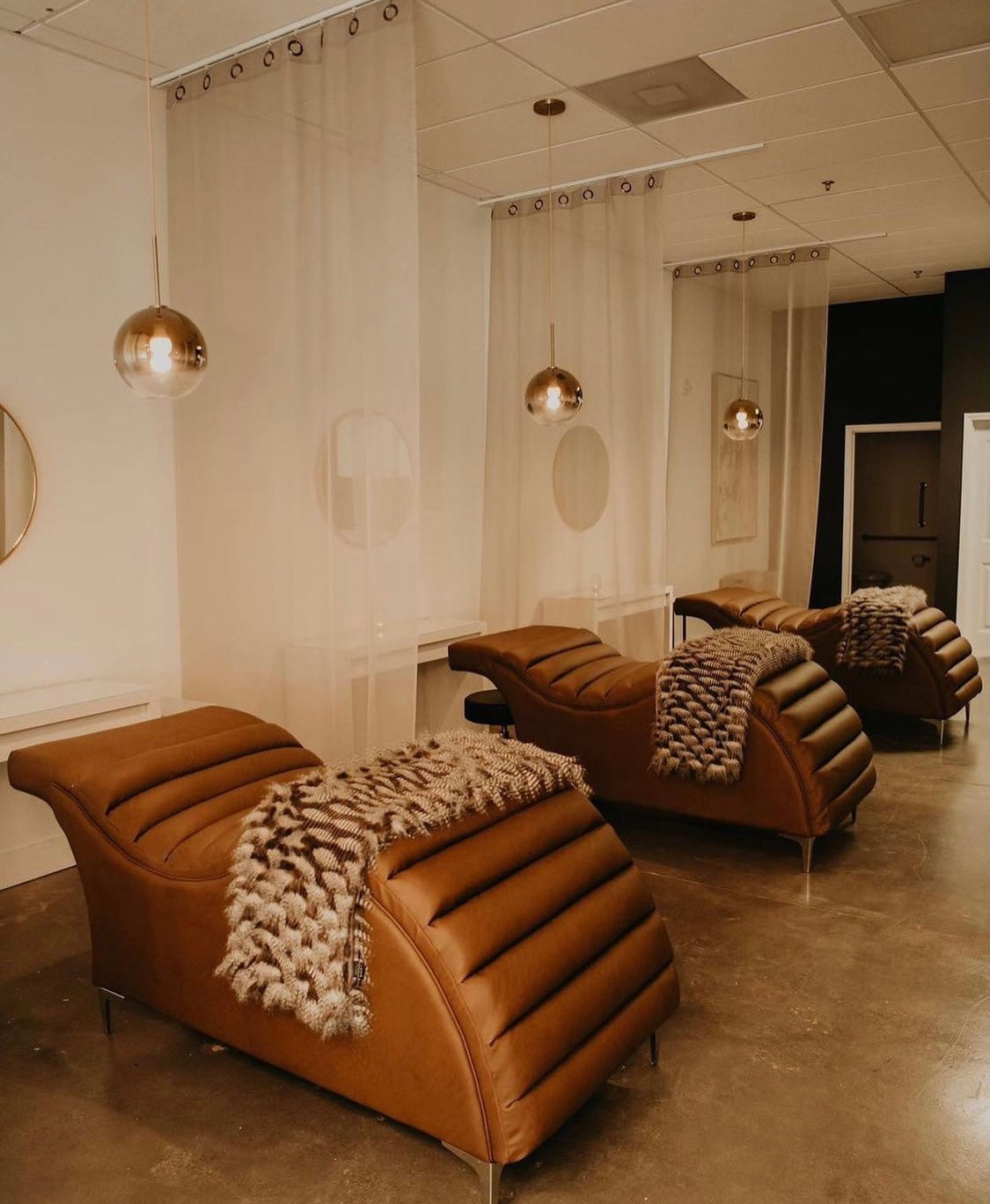
If you're using a massage table: you've adapted it. You've probably added a topper. You might be using bolsters. You're doing the laundry. The legs are placed for a massage therapist standing alongside you, which means your shins are probably hitting the table legs when you sit down to work. The table is flat and rigid, so your client isn't actually cradled anywhere — they're just lying on a hard surface with foam on top. After 90 minutes, that comfort wears thin.
If you bought an import bed: it probably cost $2,500 to $3,500. It was shipped from overseas, warehoused, and marked up through a supply chain. The product itself? Probably a $500 bed. The construction is still the same — plywood base with foam on top. It looks better than a massage table. But functionally, it's not solving the actual ergonomic problems. You're still not cradled. The foam will compress over time. And you're still not getting a bed that was made specifically for the way you work.
What Actually Solves The Problem: The Beds That Work For Both
Here's what most lash and facial artists actually need: a single bed that's designed for precision work at the head, is comfortable enough that clients want to come back, and looks professional enough that it belongs in photos.
Enter the Edda Cloud and the Brynn.
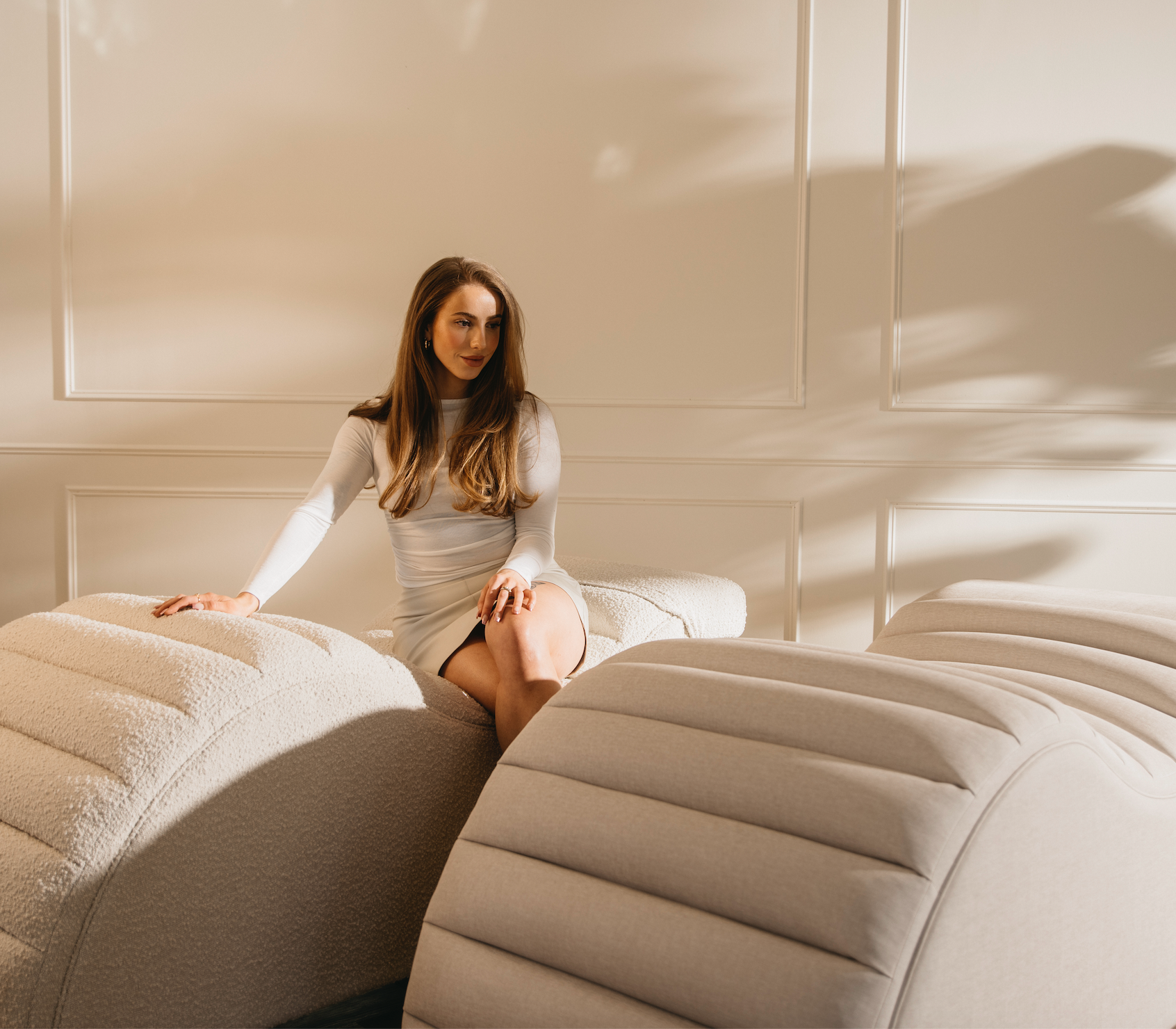
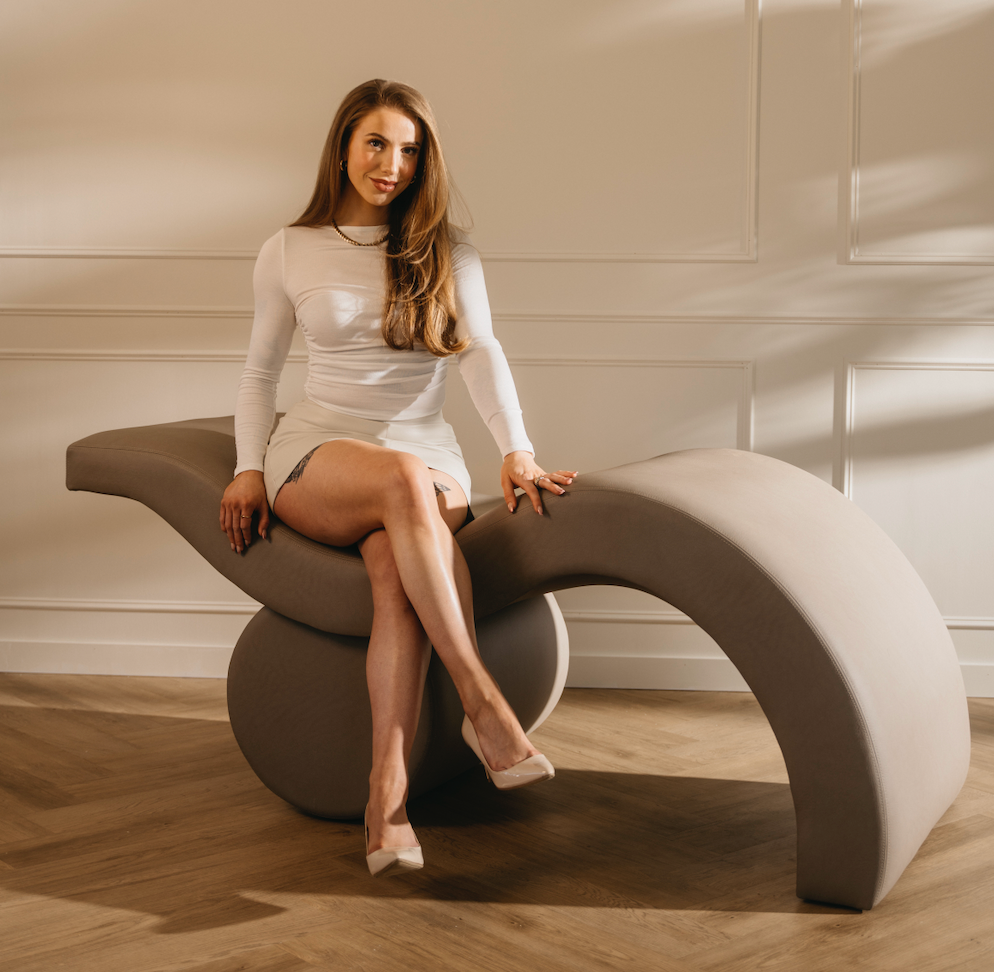
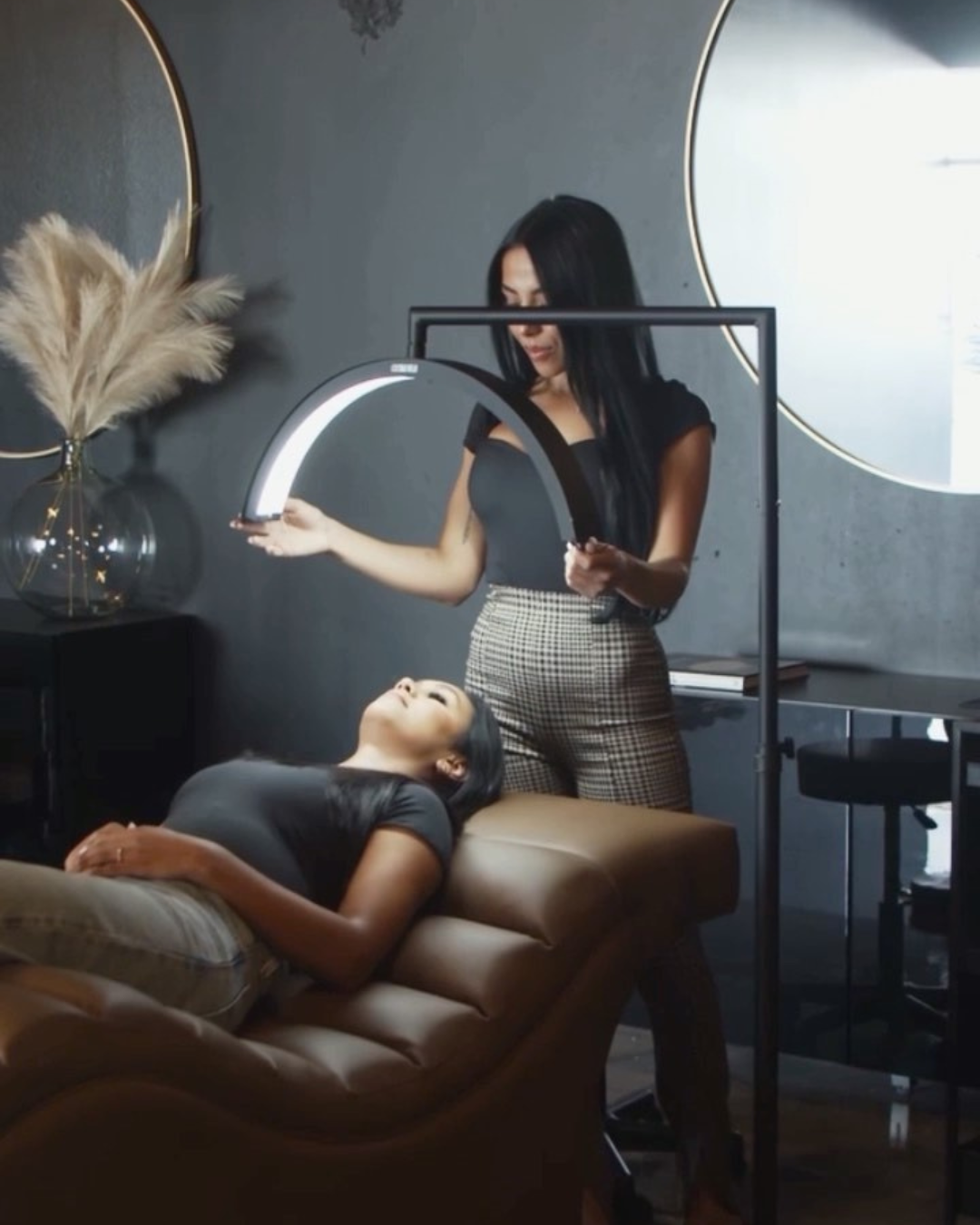
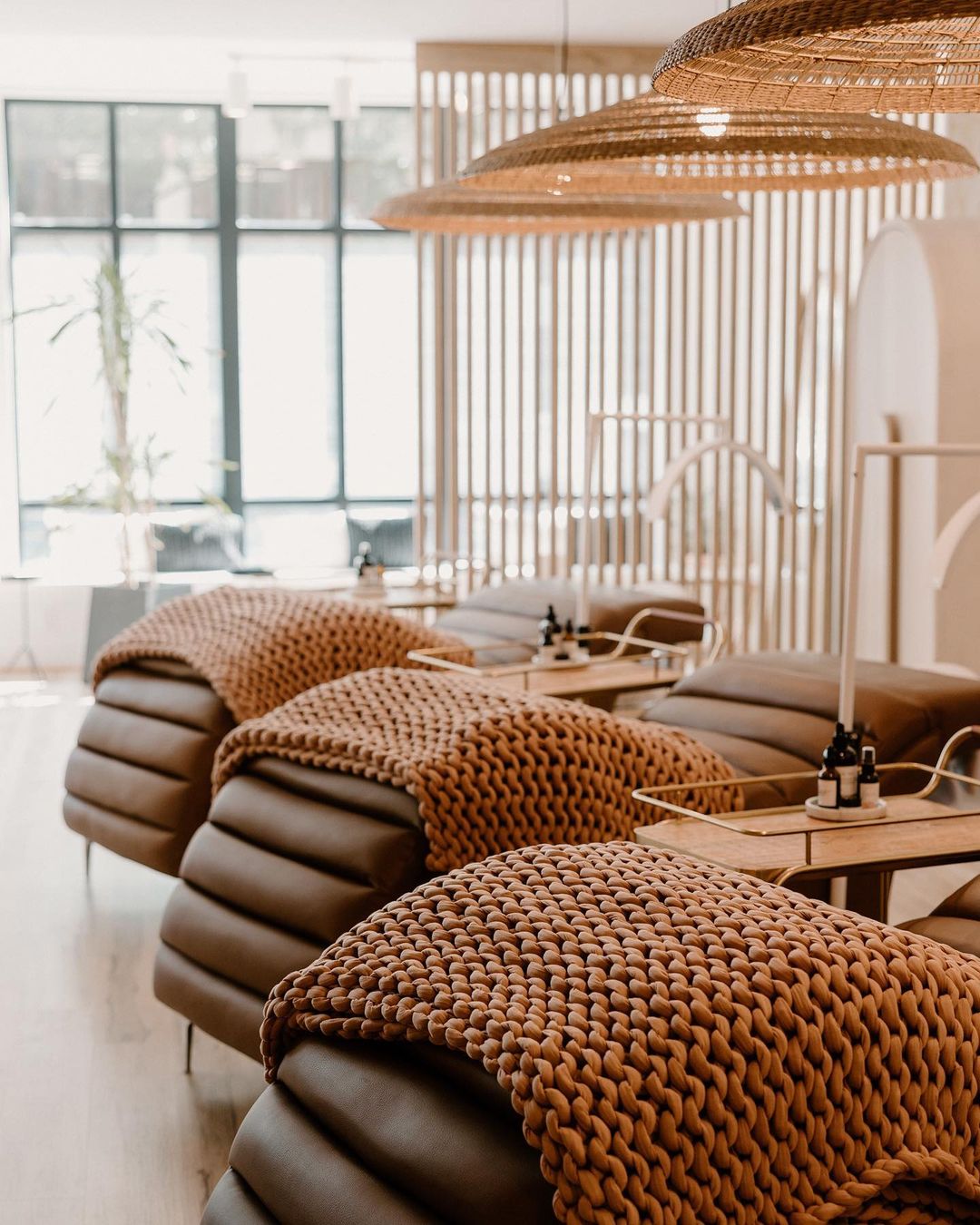
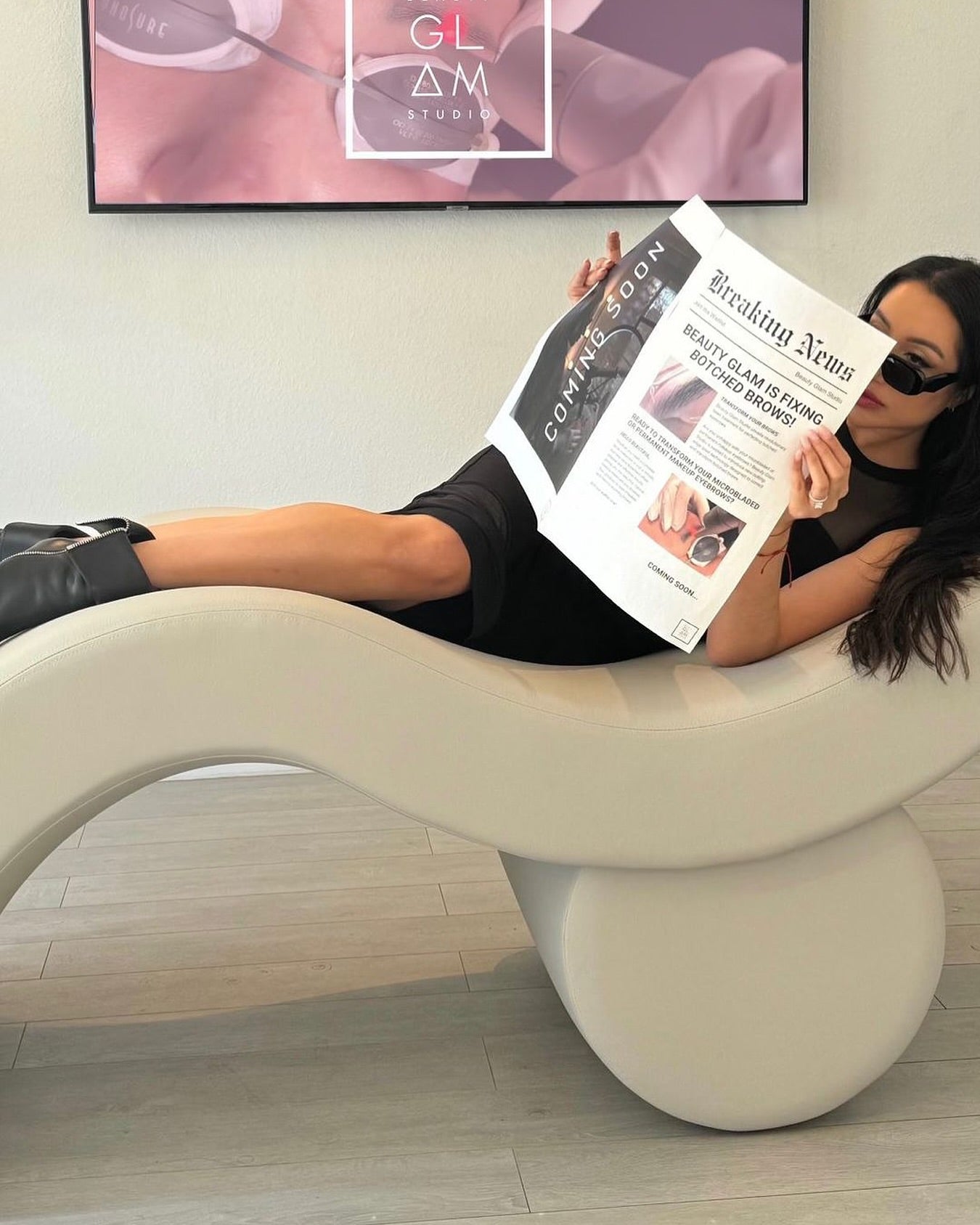
Both are static beds — no motors, no hydraulics, no complicated moving parts. Both feature deep ergonomic curves built directly into the bed structure. That curve isn't a luxury. It's the solution. When a client lies on the Edda or Brynn, they're cradled in an anti-gravity position. Their head is supported. Their body is held in optimal alignment. The artist doesn't need to reposition them. The bed does the work.
For lash work: this is perfect. The client lies down, the curve positions them naturally, and they stay in exactly the right position for 90 minutes of detail work. No adjustments. No bolsters. No additional setup.
For facial work: this is also perfect. The client gets the same comfortable cradle. If you ever need them to sit up slightly, the curve is designed to accommodate that without accessories. The Conversion Pillow lets you add a flat surface for services like extractions or massage if you need it.
The difference between a static lash bed and the Edda or Brynn is the difference between a massage table and furniture. The Edda and Brynn aren't designed to be cheaply manufactured and widely distributed. They're made to order. They're built with 4+ inches of premium foam over a tensile webbed suspension system — not plywood. That suspension means the foam doesn't compress against a hard base. It flexes. It breathes. It stays comfortable for years.
And here's the thing about the tensile webbed suspension: it's the same principle high-end sofas use. It's not a luxury feature. It's the actual structure that makes the furniture work the way it's supposed to. When a client lies on a Plush + Oak bed, they can feel the difference. It feels like they're being held, not just lying on a surface.
If You Want Height Adjustment
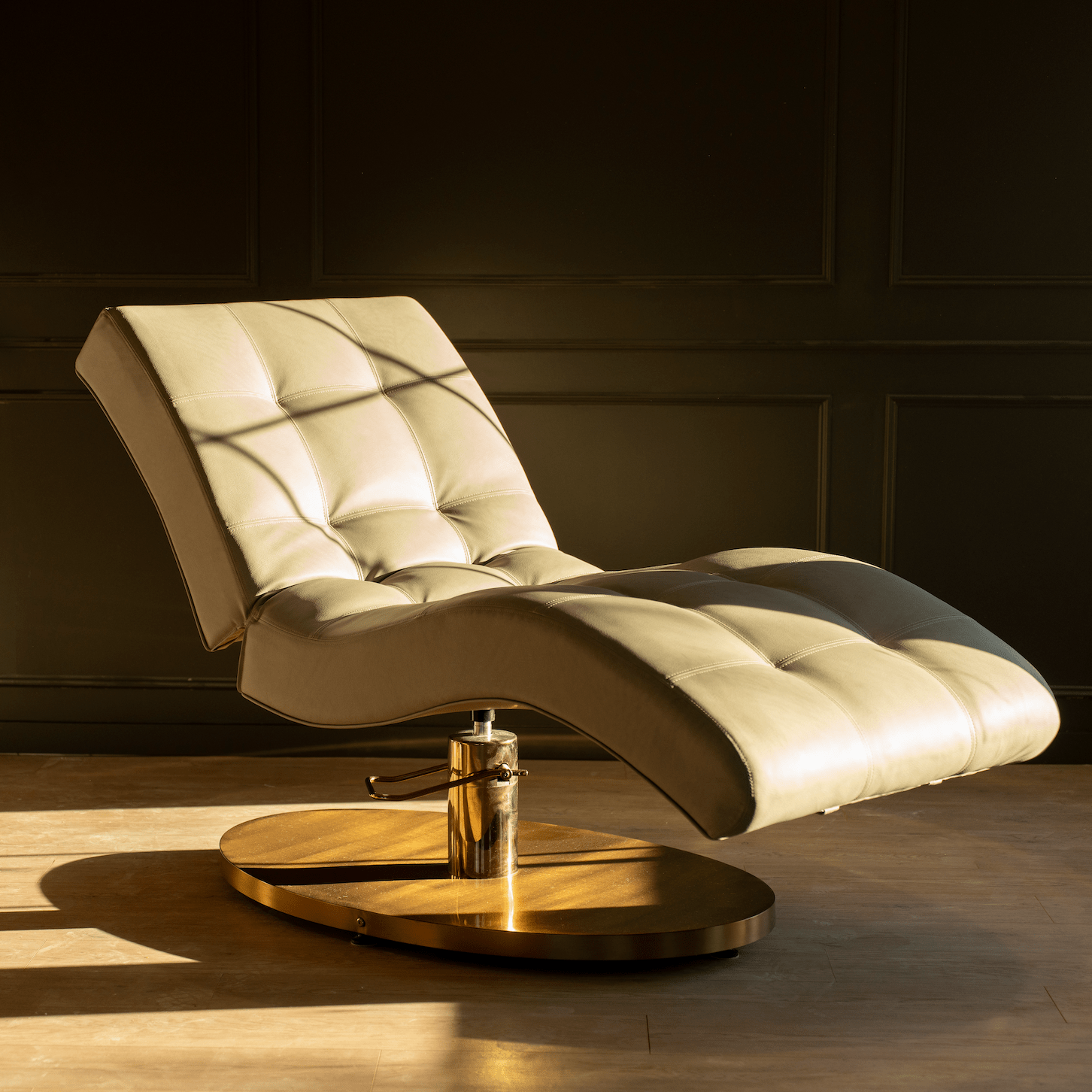
If you decide you want the ability to adjust the bed height without bending over, or if you want to recline the client slightly for certain facials, the Vera 360 is your move. It's still a static bed with the same ergonomic curves. But it adds smooth hydraulic height adjustment so you can customize the working height for your own posture. No cords. No motors. No floor pedals. Just a clean, reliable adjustment system that locks in place.
The Vera LOFT adds a clicker-recliner mechanism that lets the client recline from fully flat all the way to 90 degrees upright. For facial artists who want the option to have clients sitting up, or for anyone mixing lash and body treatments, this is the bridge between static and electric.
Neither of these requires a client to be repositioned for adjustment. The bed moves. The client stays comfortable. You're not operating the bed during service — you set it once, lock it, and work.
The Stat That Changes Everything
If you're trying to decide whether it's worth switching from what you're using now to a bed that was actually designed for your service: 93 percent of Plush + Oak customers saw their revenue increase after upgrading. That's not all lash artists. That's artists doing lash, facials, brows, skin work — all the precision services.
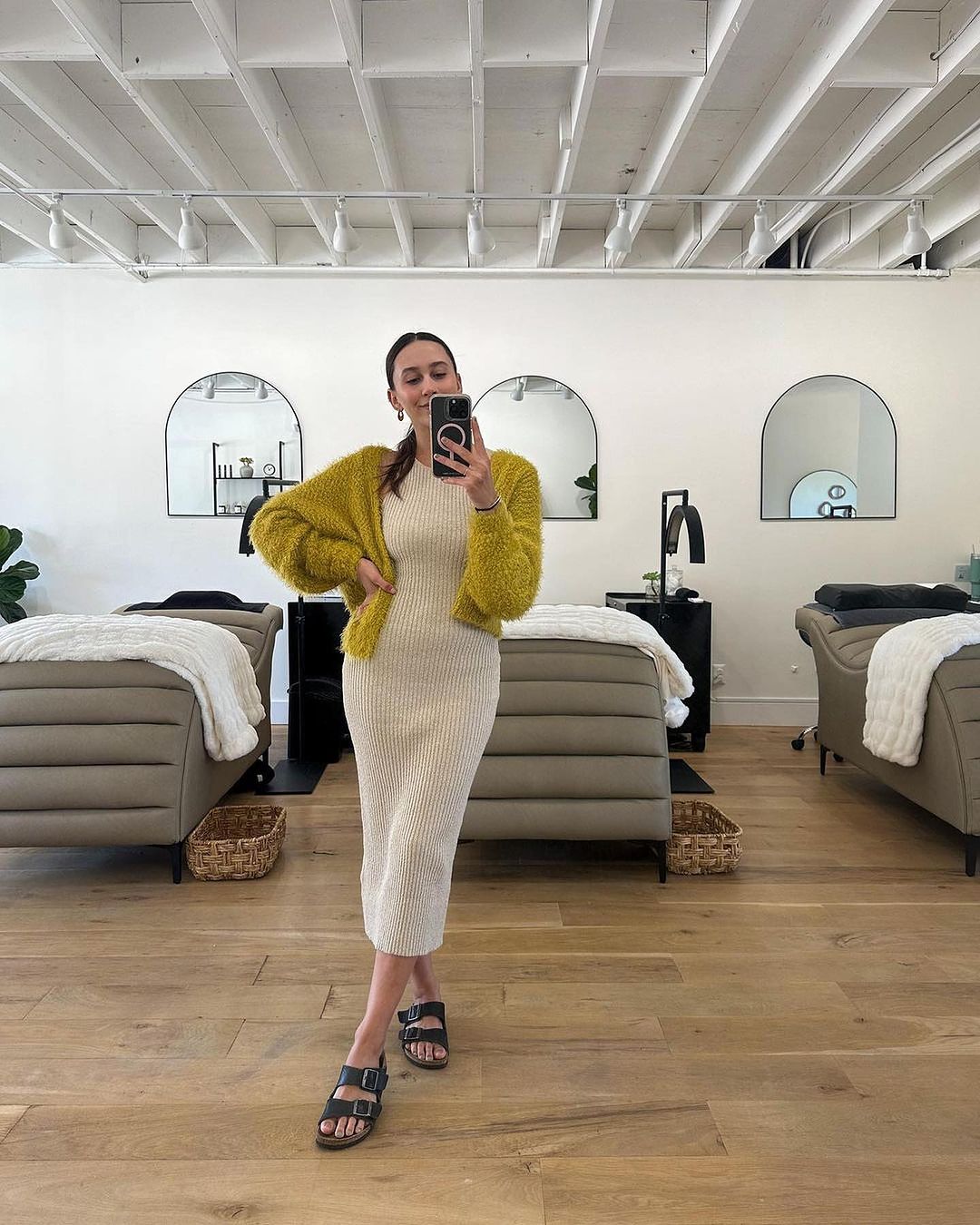
Some of that is the comfort. Clients feel the difference and come back more often. Some of that is the aesthetics. Your room looks like a spa, not a massage clinic. Clients book based on photos before they ever experience the service. And some of that is pure business: a client on a comfortable, beautiful bed is a client who tips better and refers more.
Eighty-seven percent said it increased client attraction. Eighty-one percent saw more positive reviews. Sixty-eight percent grew their Instagram following just by posting photos of their room with Plush + Oak beds.
That's not a coincidence. The bed isn't invisible. It's in every photo. It's the first thing the client experiences. It's the environment.
The Simple Answer
Do you need a lash-specific bed and a facial-specific bed? No. Not if the bed you're using was actually designed to work for both.
The Edda Cloud and Brynn work beautifully for lash artists and facial artists. One bed. Both services. No compromise. No adaptations. No laundry mountain. No uncomfortable client experience. Just furniture that does what it's supposed to do.
If you want the option to adjust height or recline, the Vera 360 or Vera LOFT give you that flexibility while keeping the same thoughtful design.
The choice isn't between a lash bed and a facial bed. The choice is between continuing to adapt massage tables and import beds to your services — or buying a bed that was actually designed for what you do.
Head to plushandoak.com and explore the lash-artist collection. You'll see exactly what working with a bed that's designed for your service actually looks like.
Looking for a treatment bed that performs for your exact service? Explore our full collection →
Lash tech? See our lash beds →. Esthetician? See our esthetic beds →.

Written by Courtney Buhler


%0AThe%20Question%20That%20Doesn'T%20Have%20To%20Be%20An%20Either-Or%0AYou're%20scrolling%20through%20salon%20supply%20websites%20and%20you%20see%20them%20side%20by%20side:%20...)